


Trailer parks. That’s the name often associated with manufactured housing communities, a name that on its own, has a negative connotation. A trailer park brings up images of run-down single-wides, parked out on a desolate scrubland; of broken homes and domestic strife. A trailer park, stereotypically, is not a place that people flock to. It’s a place that people run from. But what if I told you that that stereotype could not be further from the truth? That in Sarasota County, especially, manufactured housing communities are an indelible aspect of the area’s built history—and an essential part of Sarasota’s built environment today. There are more than 60 manufactured housing communities in Sarasota County, home to over 57,000 year-round residents.
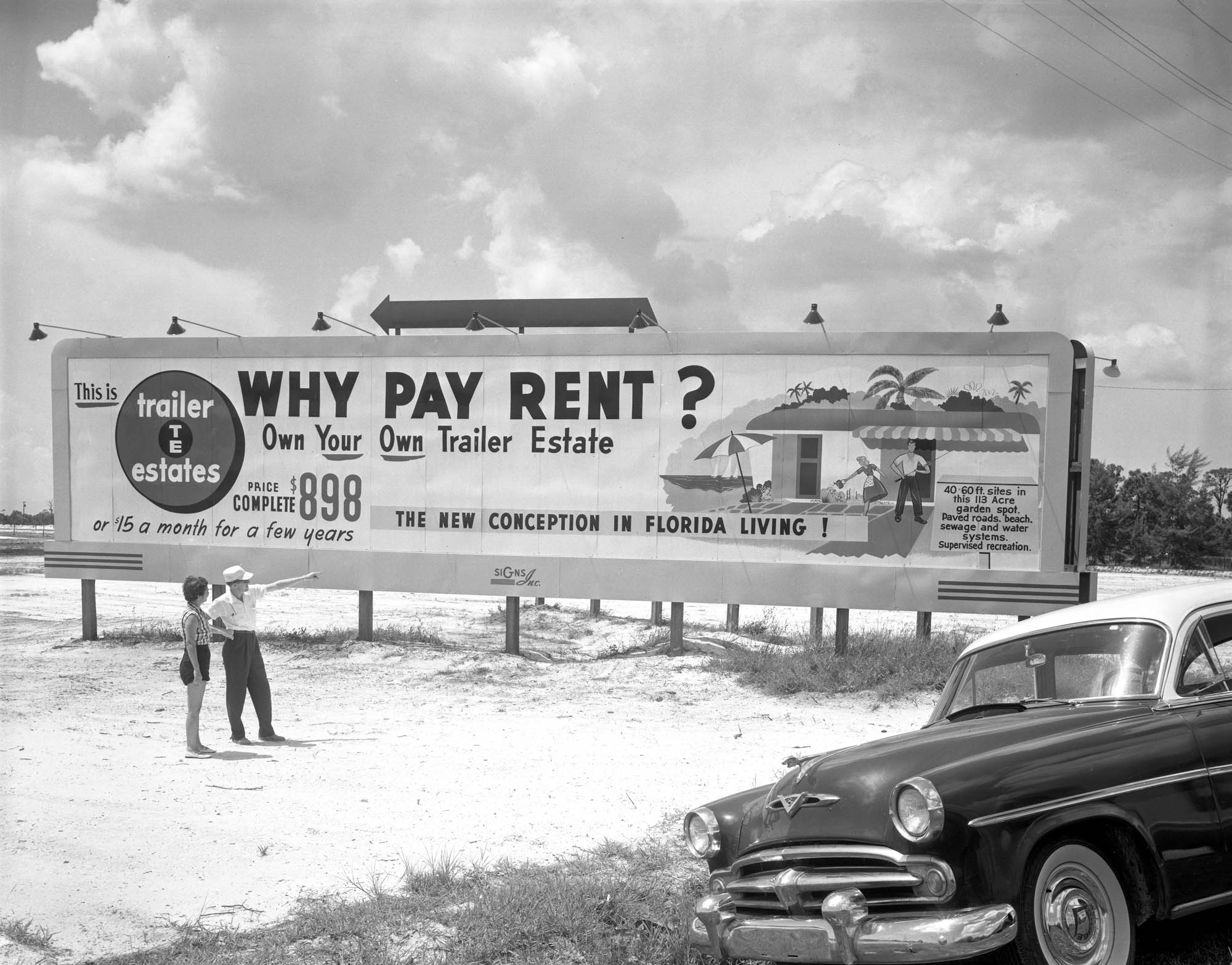
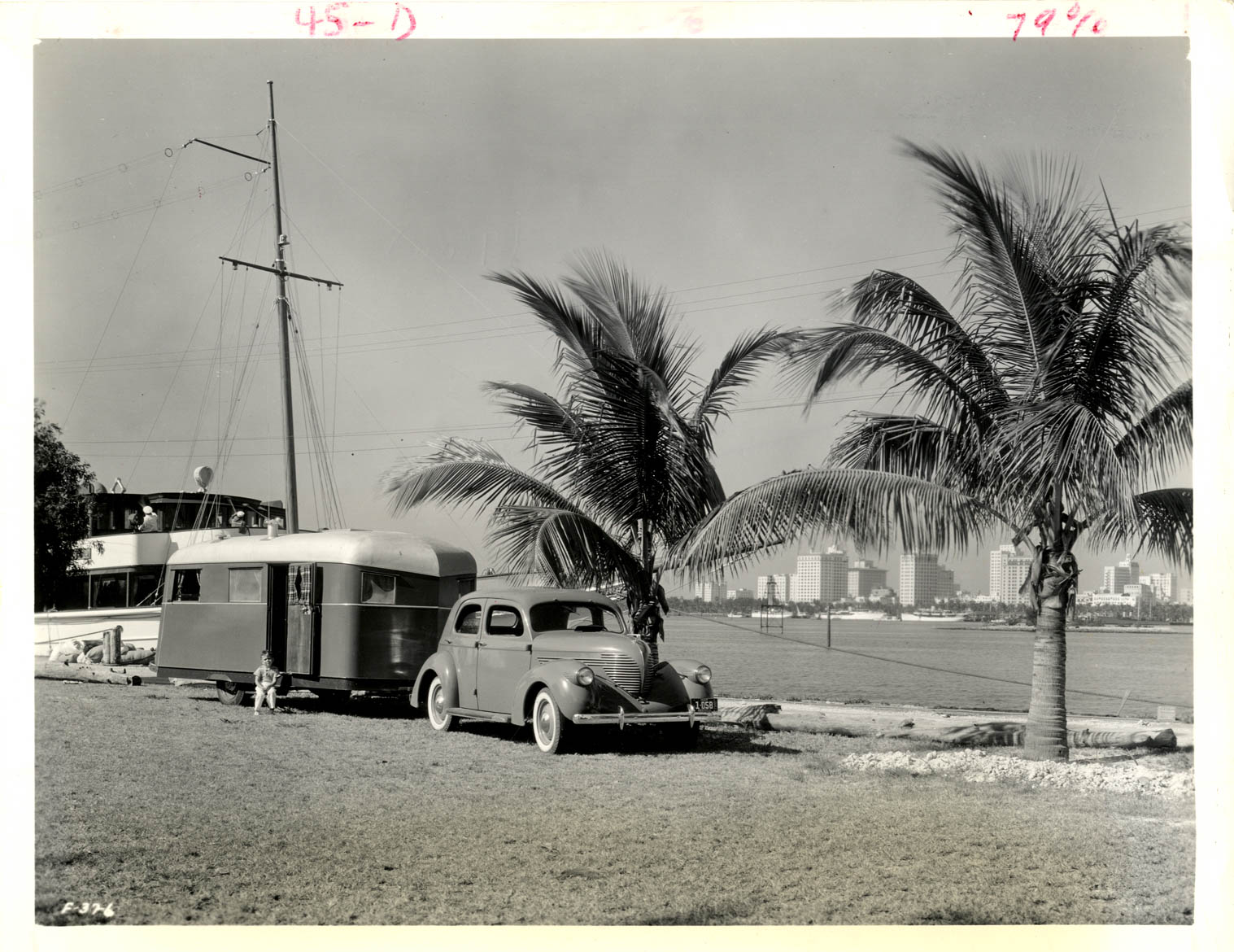
In 2025, Architecture Sarasota, in collaboration with the Sarasota Alliance for Historic Preservation, completed a year-long study on Sarasota’s manufactured housing communities. The cultural resource survey, which culminated in the publication, Modern Dwelling: Manufactured Housing Communities of Sarasota, Florida, was funded in part by a grant from the Florida Division of Historical Resources, was also accompanied by a 100-page technical report. The goal of the study was preservation. By uncovering the history of manufactured housing communities in Sarasota County, a better understanding of the current built environment and the issues it faces, could be obtained. Architecture Sarasota identified 60 manufactured housing communities in the County built prior to 1980—per state regulations a place has to be at least 50 years old to be designated historic—and designated 10 potential sites that could qualify for the National Register of Historic Places (NHRP). “We were interested in the communities—some of which are quite large—because they’ve never been looked at as a potential historic district, like Laurel Park,” says Marty Hylton, president of Architecture Sarasota. “There isn’t one manufactured housing community on the National Register of Historic Places. We identified 10 that could meet that criteria—making those communities a historic district would also help protect them in the long run.” Although the thought of a “mobile home” is usually met with derision, the history of manufactured housing communities in Sarasota County mirrors that of the American dream. Starting in the 1920s and ‘30s, tin can tourists flocked to Florida, escaping the harsh Northern winters. Those tourists turned in their travel trailers for proper “mobile homes” in the ‘40s-’60s, before “manufactured houses,” as constructed per the National Manufactured Housing Construction and Safety Standards Act of 1974, took over. “In the 1920s, it exploded,” says Kristine Ziedina, Director of Research and Documentation at Architecture Sarasota. “In the beginning, they were just homemade structures that you could tow with your car, before it evolved into a huge industry.” A true manufactured home is defined as a factory-built house that is constructed on a steel chassis with axles, for ease of transportation. In Sarasota County, the different styles of manufactured homes are resemblant of the changes within the housing industry—the post-World War II boom brought on a surge of plastics and metals, with companies like Spartan creating mid-century modern mobile homes and the industry taking off. As the industry blossomed, manufactured houses began to look more and more like “typical homes”, ditching the curved edges and round roofs for flatter structures with additions like carports and screened-in porches.
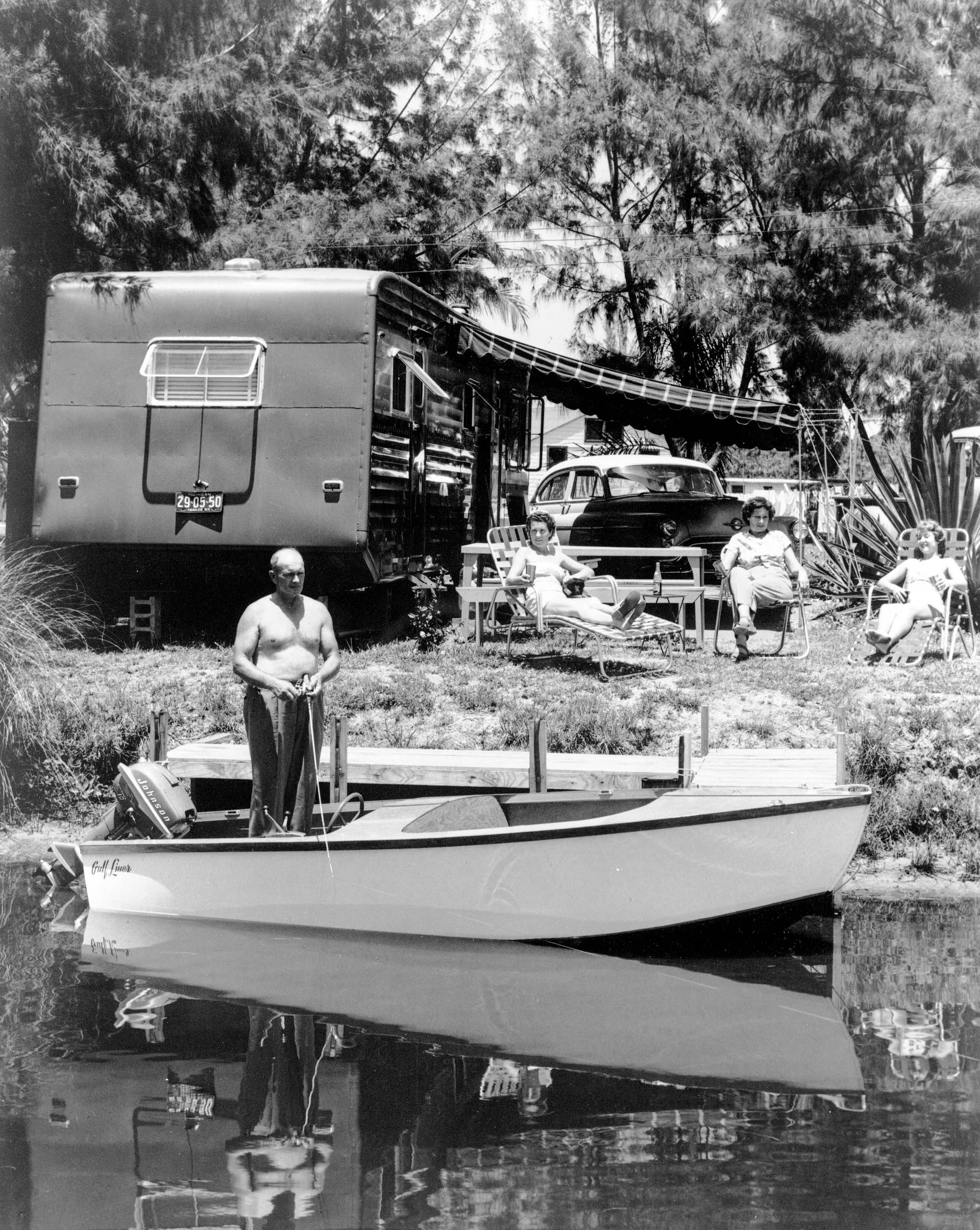
A look at the Modern Dwelling publication reveals, perhaps more so than anything, that the “trailer parks” of Sarasota County are so much more than their stereotype. They are communities, blossoming with life, pride and personality. “The people who live there love it. They’re very happy and there’s a sense of community,” says Hylton. “Many of these communities are so densely packed together that it promotes social interaction—you might have little alleys and courtyards that you share with your neighbors.”